Selecting the right SEO partner is crucial for your business’s online growth. But with so many firms offering similar services, you might find yourself wondering exactly how to choose an SEO agency that’s right for your business.
A good SEO agency can boost your website rankings, drive organic traffic, and increase your revenue. On the other hand, choosing the wrong one could waste time, money, and even damage your online reputation. Therefore, it’s important to make a careful decision.
This step-by-step guide shows you exactly how to choose an SEO agency, including the key factors you need to consider to ensure you’re partnering with the right team for your business goals.
Step 1: Clearly Define Your SEO Goals
Before you start searching, it’s important to clearly define your SEO goals. Ask yourself:
- Are you looking to increase traffic, boost conversions, or both?
- Do you need help improving website speed and technical aspects?
- Are you aiming for local, national, or global visibility?
Having clear, defined objectives will help you identify an SEO agency that aligns with your specific goals, resulting in a much more successful partnership.
Step 2: Check Their Track Record and Client Success Stories
A reputable SEO agency should readily provide you with case studies or client testimonials demonstrating their success. These success stories give insights into their methods, experience, and whether they have a proven track record of delivering results.

Look for:
- Evidence of ranking improvements and traffic growth
- Examples of work in your industry or similar niches
- Transparent data showing before-and-after results
Example: Moz’s SEO case studies
Step 3: Evaluate Their SEO Techniques and Strategies
A credible SEO agency will always use ethical, white-hat SEO techniques. Before you choose an SEO agency, ask about their methods. Avoid agencies using outdated or black-hat techniques like keyword stuffing or purchasing low-quality backlinks, as these can harm your rankings long-term.
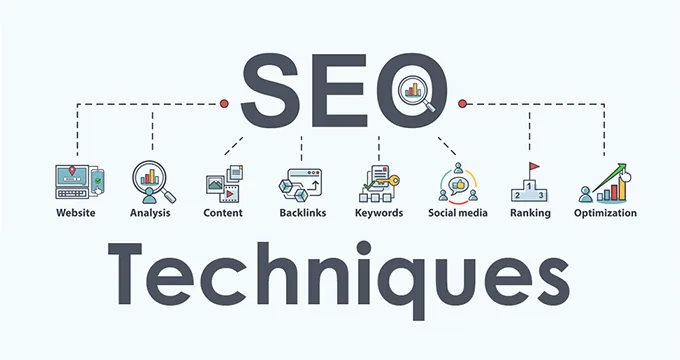
Instead, choose an SEO firm that prioritizes:
- High-quality content creation
- Proper keyword research
- Strategic link-building through relevant sites
- Strong technical optimization and user experience improvements
Step 4: Look for Transparency and Clear Communication
Transparency and regular communication are critical when choosing an SEO agency. You want an agency that will:
- Provide clear, understandable monthly reports
- Regularly update you on campaign progress and any strategy adjustments
- Clearly explain their process and what results you can expect

Get Connected To us and Take your business to the next level.
Our highly experienced tech development team is one call away from you!
If an SEO firm is vague or hesitant to share details, consider it a red flag.
Step 5: Assess Their Industry Experience and Expertise
The SEO industry evolves rapidly, and you need an agency that’s always up-to-date with the latest trends and algorithms. When choosing an SEO agency, ask questions such as:
- How long have they been in business?
- Do they have experience in your specific industry?
- What qualifications or certifications do their team members hold?
An experienced agency is better positioned to understand your audience, navigate industry-specific challenges, and implement successful strategies.
Step 6: Consider Budget and Pricing Models
Your budget is always an important factor when choosing an SEO agency. Prices vary significantly, and the most expensive option isn’t necessarily the best. Conversely, extremely cheap agencies often use low-quality, risky tactics.

Find an agency that offers transparent pricing and packages clearly aligned with the value they provide. Common pricing structures include:
- Monthly retainers
- Fixed-price contracts for specific tasks
- Hourly rates for consulting and strategy sessions
Always prioritize value, expertise, and expected return on investment (ROI) rather than simply choosing the cheapest provider.
Step 7: Check Reviews and Get Recommendations
Online reviews and recommendations from trusted sources can be highly valuable when you’re selecting an SEO agency. Conduct research online through platforms such as:
- Google Reviews
- Trustpilot
- Clutch.co
Additionally, ask peers or business associates if they can personally recommend an agency they’ve had positive experiences with.
Step 8: Schedule a Consultation
Before finalizing your choice, schedule a consultation. A face-to-face or virtual meeting allows you to get a sense of their communication style, professionalism, and whether they genuinely care about your business objectives.
GET IN TOUCH WITH OUR TEAM
Schedule a Meeting
During your consultation, ask specific questions such as:
- How long until we see results?
- How do you track and report progress?
- Can you provide references from similar businesses?
Red Flags to Watch Out For
As you go through the process of choosing an SEO agency, beware of these common red flags:
- Guaranteed immediate results: SEO takes time; any agency promising quick or guaranteed rankings may be misleading.
- Secretive methods: An agency should never hide their methods from you.
- Poor communication: Slow or inconsistent communication might be indicative of how they handle client relations.
- Extremely low pricing: This often means sacrificing quality or using questionable techniques.
Successful Examples: Businesses That Chose the Right SEO Agency
Here are some examples of successful businesses that achieved great results by selecting the right SEO agency:
- Shopify significantly increased organic traffic and improved search visibility by partnering with a transparent and effective SEO agency.
- Backlinko boosted their authority by implementing white-hat SEO techniques recommended by their chosen agency, resulting in sustainable long-term growth.
Get Connected To us and Take your business to the next level.
Our highly experienced tech development team is one call away from you!
Conclusion: Making the Right Choice for Your Business
Learning how to choose an SEO agency can significantly impact your business’s online success. By defining your goals, researching the agency’s track record, ensuring transparency, assessing expertise, and carefully considering budget and reviews, you’ll set yourself up to make an informed choice.
The right SEO agency will partner closely with your business, helping you achieve long-term growth, improved visibility, and higher returns on your investment.