In a mobile-first world, having a robust mobile application is no longer a luxury – it’s a necessity. Whether you’re a startup launching your MVP or an enterprise upgrading your user experience, partnering with the right mobile app development company can determine the success or failure of your digital product. But with hundreds of agencies around the world, how do you know which one to trust with your app idea?
This in-depth guide explores the mobile app development process, what to look for in a company, and a comparison of top global players in the field. By the end, you’ll have a solid framework to make an informed decision and feel confident in your app development journey.
What is a Mobile App Development Company?
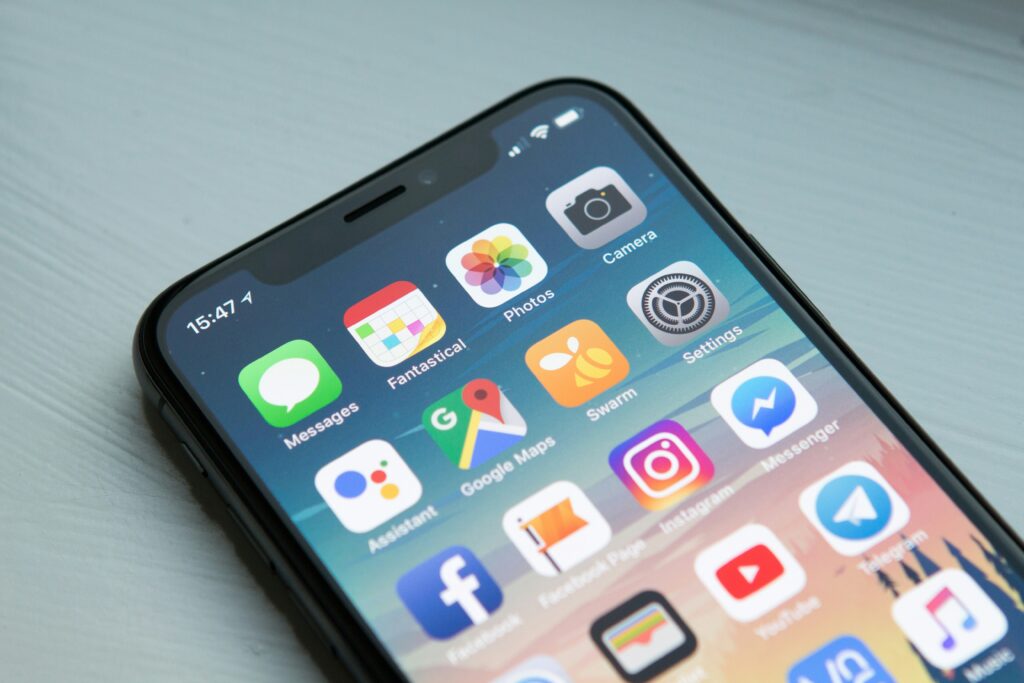
A mobile app development company specializes in designing, developing, and maintaining mobile applications for smartphones, tablets, and wearable devices. These companies provide a wide range of services:
- UI/UX Design
- Native App Development (iOS and Android)
- Cross-Platform Development (Flutter, React Native, Xamarin)
- Backend Development & APIs
- App Testing & QA
- Deployment & Post-launch Support
Some companies focus on a niche (e.g., fintech or healthcare), while others provide full-stack solutions for various industries.
Key Steps in the Mobile App Development Process
Understanding each phase of the mobile app development process empowers you to collaborate more effectively with your chosen development partner. Here’s a more detailed breakdown of the typical stages:
GET IN TOUCH WITH OUR TEAM
Schedule a Meeting
1. Discovery & Strategy
This foundational step sets the direction for your entire project. It begins with gathering requirements, conducting market research, and analyzing competitors. Business goals are clearly defined, and user personas are crafted to understand the target audience better. This phase also involves outlining the app’s core functionalities, establishing a unique value proposition, and identifying key performance indicators (KPIs) to measure success.
2. Design & Prototyping
Once the strategy is clear, the design team creates wireframes that map out the app’s structure and flow. These wireframes are then turned into interactive prototypes, which simulate how the user will navigate and interact with the app. User experience (UX) and user interface (UI) designers collaborate to build visually appealing, intuitive interfaces that align with brand identity and user needs. Feedback during this stage helps refine the design before any code is written.
3. Development
This is the core technical phase where front-end and back-end development takes place. Developers write the actual code using platforms and languages suited to your app’s requirements—such as Swift for iOS, Kotlin for Android, or cross-platform frameworks like Flutter and React Native. Agile methodologies are often applied to ensure incremental development and continuous integration. APIs, third-party services, and databases are also integrated during this stage.
4. Testing
Quality assurance (QA) is essential to identify bugs and usability issues. Functional testing ensures the app operates according to specifications, while usability testing evaluates the user experience. Performance testing checks how the app behaves under various conditions, and security testing ensures data protection. Rigorous testing reduces the risk of post-launch issues and helps polish the final product.
5. Deployment
Once the app passes QA checks, it’s prepared for launch. This includes setting up app store listings, creating promotional materials like screenshots and descriptions, and submitting the app for review on platforms like the Apple App Store and Google Play Store. Some teams also conduct beta testing to gather real-world feedback before the full release.
6. Maintenance & Updates
Launching an app is just the beginning. Ongoing maintenance includes bug fixes, performance enhancements, and compatibility updates for new OS versions. User feedback is monitored to prioritize feature enhancements and improvements. Regular updates help maintain engagement, improve user retention, and keep the app competitive in the marketplace.
What to Look For in a Mobile App Development Partner
1. Proven Track Record
- Check Clutch, GoodFirms, or their own website for portfolio highlights.
- Look for industry-specific experience.
2. Transparent Communication
- Do they offer real-time project management tools like Jira or Trello?
- Is there a dedicated project manager?
3. Scalability & Flexibility
- Can they scale up resources if the scope grows?
- Do they offer both MVPs and enterprise solutions?
4. Cost Structure
- Look for clarity in hourly rates, fixed pricing, or milestone billing.
5. Post-Launch Support
- Ensure they offer maintenance, analytics integration, and version upgrades.

Get Connected To us and Take your business to the next level.
Our highly experienced tech development team is one call away from you!
Top Mobile App Development Companies Around the World
1. BuildFire (USA)
- Location: San Diego, California
- Why it stands out: No-code & custom development options
- Clientele: PayPal, Cisco, Pepsi
- Pricing: Mid-range
- Website: https://buildfire.com
2. Konstant Infosolutions (India)
- Location: Jaipur, India
- Why it stands out: 20+ years of experience, multi-domain expertise
- Clientele: Nestle, Citrix, NASSCOM
- Pricing: Budget-friendly
- Website: https://www.konstantinfo.com
3. TechAhead (USA)
- Location: Los Angeles, USA
- Why it stands out: Emphasis on design + innovation
- Clientele: AXA, ESPN, Disney
- Pricing: Premium
- Website: https://www.techaheadcorp.com
4. Droids On Roids (Poland)
- Location: Wroclaw, Poland
- Why it stands out: Agile methodology, transparent pricing
- Clientele: Giphy, CCC, Unilever
- Pricing: Mid-range
- Website: https://www.thedroidsonroids.com
5. STRV (Czech Republic)
- Location: Prague, Czech Republic
- Why it stands out: Silicon Valley focus, UI/UX excellence
- Clientele: Microsoft, Tinder, Hallmark
- Pricing: High-end
- Website: https://www.strv.com
6. Netguru (Poland)
- Location: Poznan, Poland
- Why it stands out: Sustainable apps, focus on startups
- Clientele: Volkswagen, IKEA, Keller Williams
- Pricing: Mid-high tier
- Website: https://www.netguru.com
Global Comparison Table
| Company | Location | Strengths | Sample Clients | Pricing |
|---|---|---|---|---|
| BuildFire | USA | No-code platform, scalable | PayPal, Cisco | Mid-range |
| Konstant Infosolutions | India | Full-stack, affordable | Nestle, Citrix | Budget |
| TechAhead | USA | Innovation & UX | Disney, ESPN | Premium |
| Droids On Roids | Poland | Agile, transparent | Giphy, CCC | Mid-range |
| STRV | Czech Republic | Silicon Valley clients | Tinder, Microsoft | Premium |
| Netguru | Poland | Startup-friendly, UI-focused | IKEA, Volkswagen | Mid-high |
Real-World Case Studies
1. TechAhead + Disney
TechAhead helped Disney build a highly engaging mobile experience for children and parents to manage their digital content safely. The project emphasized user-friendly UI/UX and stringent security measures.
2. Droids on Roids + CCC Shoes
Droids On Roids delivered a custom e-commerce app for CCC, one of Europe’s largest footwear retailers, helping them scale across 20+ countries with over 1 million app users.
3. BuildFire + PayPal
BuildFire collaborated with PayPal to create internal apps for event scheduling and employee engagement. The app reduced admin work by over 40%.
GET IN TOUCH WITH OUR TEAM
Schedule a Meeting
Final Thoughts
Finding the right mobile app development company depends on your business goals, budget, and level of involvement. Whether you prefer a cost-effective offshore team like Konstant Infosolutions or a premium agency like STRV, the key lies in aligning their capabilities with your vision.
Always prioritize transparency, long-term support, and a proven portfolio. Ask for client references, trial projects, or pilot phases to test their workflow. When chosen wisely, a mobile app development partner can become your greatest digital asset.