Creating an engaging podcast website is critical for building your audience and growing your show. Whether you’re launching a new podcast or enhancing your existing one, your website is a central hub that will showcase your content, engage listeners, and even drive business opportunities. In this guide, we’ll dive deep into the best content strategies, UI/UX design principles, and successful business examples that can help you design a high-converting podcast website. We will also explore case studies of podcast hosts who have nailed the website experience for their shows.
Why Podcast Website Design is Crucial for Success
When it comes to podcast websites design, first impressions are everything. Your website needs to immediately convey the essence of your podcast while ensuring that listeners can easily access and enjoy the content. A well-designed podcast website serves several functions:
- Increases discoverability: Through optimized design and content strategies, a podcast website helps you rank better in search engines, making it easier for potential listeners to find your show.
- Builds trust: A professional website reinforces the credibility of your podcast and gives listeners confidence in your brand.
- Engages users: Your website should serve as a user-friendly hub, offering features such as subscription buttons, a blog, and social media links to help listeners connect with your content.
Best Content Strategy for Your Podcast Website
The content on your podcast website should not only inform but also engage and encourage users to listen, subscribe, and return for more. Here’s how to craft an effective content strategy for your podcast website:
1. Clear Branding and Messaging
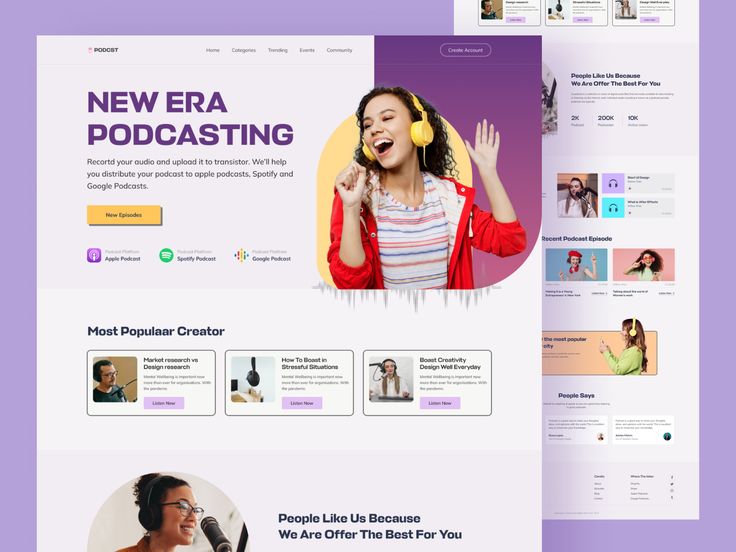
When visitors land on your podcast websites, the branding and messaging should immediately tell them what your podcast is about. This includes:
- Taglines: A catchy, concise description of your podcast in the headline.
- About Section: A brief, compelling summary of your podcast’s focus, style, and the value listeners will get.
- Episode Highlights: Showcase your most popular or recent episodes with a brief teaser or key takeaway to entice new listeners.
2. Optimized Episode Listings on podcast website
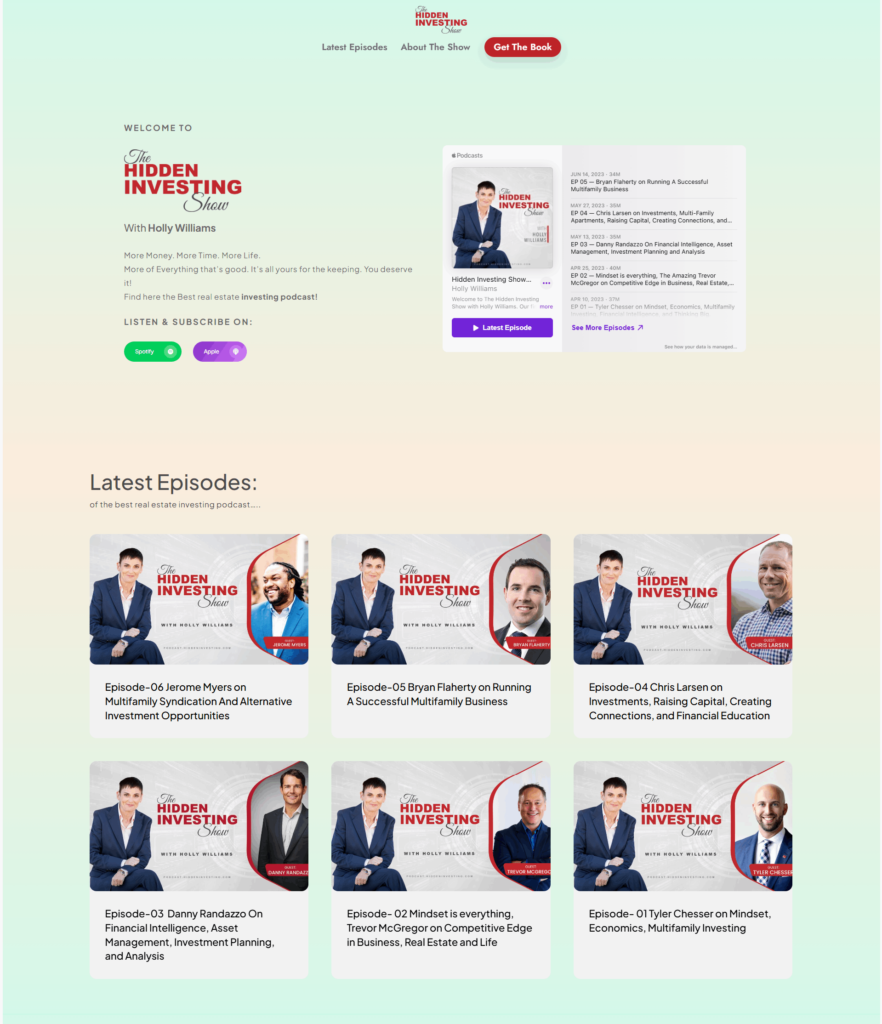
A clear, organized episode listing is essential for keeping listeners engaged. Consider including the following:
- Search functionality: Allow users to search for episodes by topic or guest.
- Episode summaries: Provide brief summaries or show notes to give visitors a glimpse of what the episode is about.
- Download & streaming options: Ensure visitors can easily listen to or download episodes directly from your website.
3. SEO-Optimized Blog Content
In addition to podcast episodes, a podcast website can also benefit from SEO-optimized blog content. Write detailed show notes, transcriptions, or accompanying blog posts that highlight key takeaways from each episode. This helps improve your SEO and provides additional value to your audience.
Best UI/UX Rules for a Podcast Website
User experience (UX) and user interface (UI) design play a critical role in how your podcast website functions and is perceived. Here are the key UI/UX design rules to follow:
1. Mobile-Friendly Design
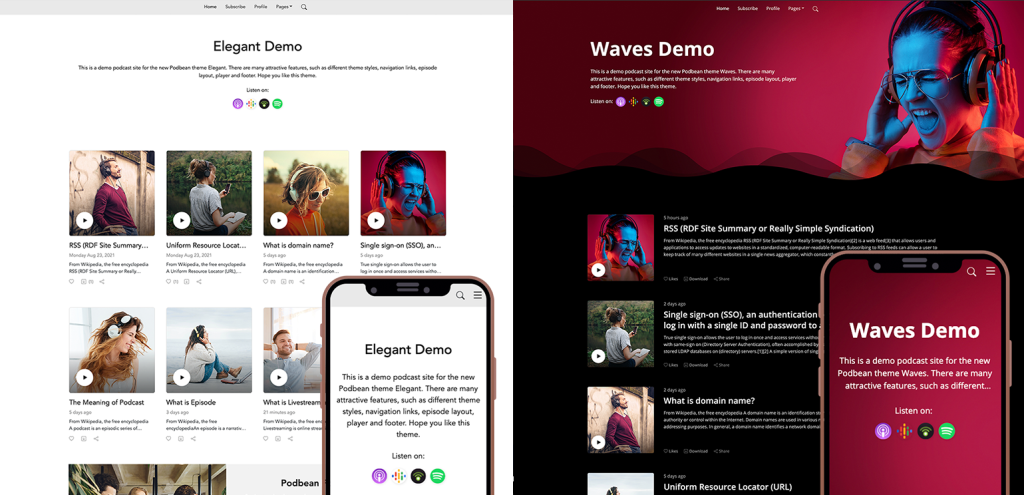
With the majority of podcast listeners tuning in from mobile devices, your website needs to be fully optimized for mobile viewing. Ensure that:
- Your podcast player is mobile-responsive and easy to use.
- Text and images scale properly across different screen sizes.
- Buttons and calls to action (CTAs) are easily clickable on smaller screens.
2. Fast Loading Time
Website speed is a crucial aspect of user experience and SEO. Slow websites can cause visitors to bounce, leading to lost potential listeners. To improve loading times:
- Compress images and audio files for faster loading.
- Use reliable hosting services optimized for media-heavy websites.
- Minimize unnecessary scripts and plugins.
GET IN TOUCH WITH OUR TEAM
Schedule a Meeting
3. Easy Navigation
A simple, easy-to-navigate website will make your podcast more accessible. Implement clear menus, search options, and a streamlined layout. Key pages to include are:
- Home Page: Showcase your latest episodes and introduce visitors to your podcast.
- Episodes Page: A complete list of episodes with descriptions and easy access to play or download.
- About Page: Share more information about the podcast’s mission, hosts, and history.
- Contact Page: Allow fans and potential guests to reach out to you.
Successful Podcast Website Examples: Case Studies
Let’s take a look at some successful podcast websites that have mastered content strategy, design, and user experience. These examples demonstrate how great websites can directly contribute to podcast success.
1. The Tim Ferriss Show
The website for Tim Ferriss’ podcast is an excellent example of a podcast website design that incorporates clear branding and simple navigation. Tim Ferriss, author and entrepreneur, built a massive following with his podcast where he interviews top performers across various fields. Key features of his website:
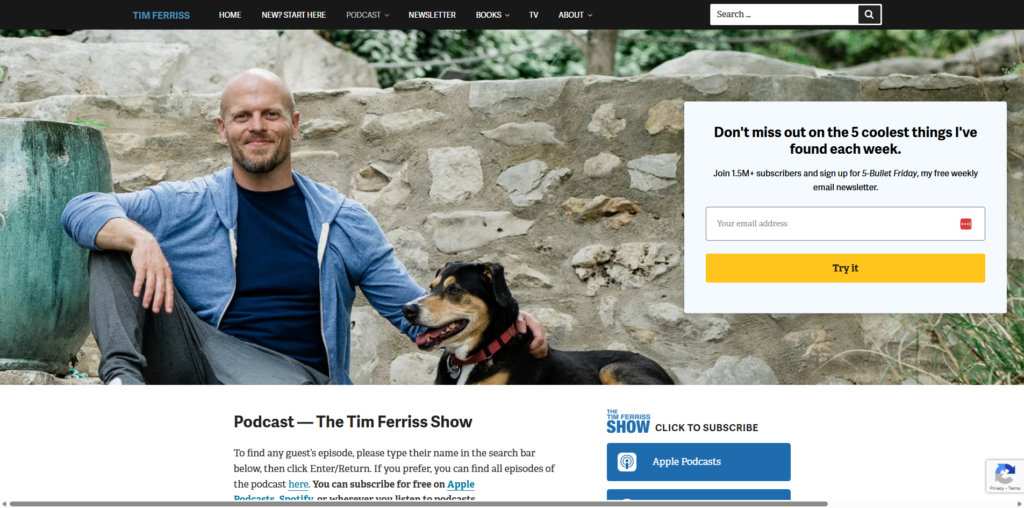
- Minimalistic and Professional Design: The website has a sleek, professional design that reinforces Tim’s brand as a productivity and success expert.
- Episode Highlights: Each episode page includes detailed show notes and a key takeaway section, helping users decide whether to listen to the episode.
- Clear CTAs: There are visible options for subscribing to the podcast and checking out Tim’s books and business ventures, which adds a commercial layer to the podcast’s website.

Get Connected To us and Take your business to the next level.
Our highly experienced tech development team is one call away from you!
2. The Daily (by The New York Times)
The Daily is a highly successful news podcast produced by The New York Times. Its website sets a benchmark for podcast website design, featuring:
- SEO-Optimized Content: The website includes SEO-optimized blog posts and show notes for each episode, ensuring discoverability and engagement.
- Simple Layout and Clear Navigation: The homepage features a clean layout, with a focus on the latest episode and easy-to-navigate links for past shows.
- Mobile Optimization: The website is fully optimized for mobile, providing listeners with seamless access to episodes and articles from their phones.
3. My Favorite Murder
My Favorite Murder, hosted by Karen Kilgariff and Georgia Hardstark, is a true crime podcast that has gained a massive following. Their website showcases:
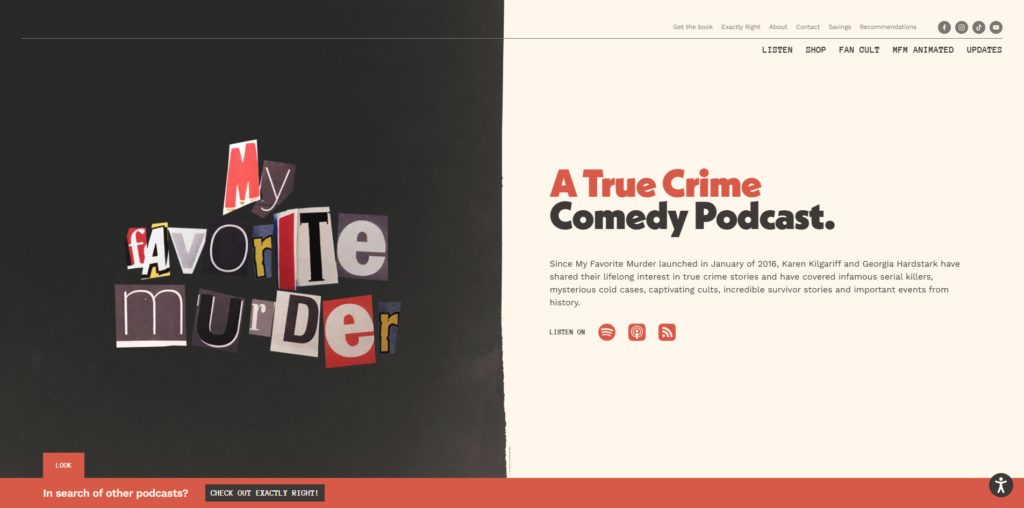
- Unique Branding and Fun Design: The site captures the hosts’ fun and quirky personalities with bold colors and whimsical illustrations, making it appealing to their audience.
- Community Engagement: The website includes a section dedicated to fan art, live events, and listener mail, helping the podcast create a strong community.
- Easy Access to Episodes: Visitors can easily access the latest episodes or dive into older ones with a simple, organized listing.
4. The Joe Rogan Experience
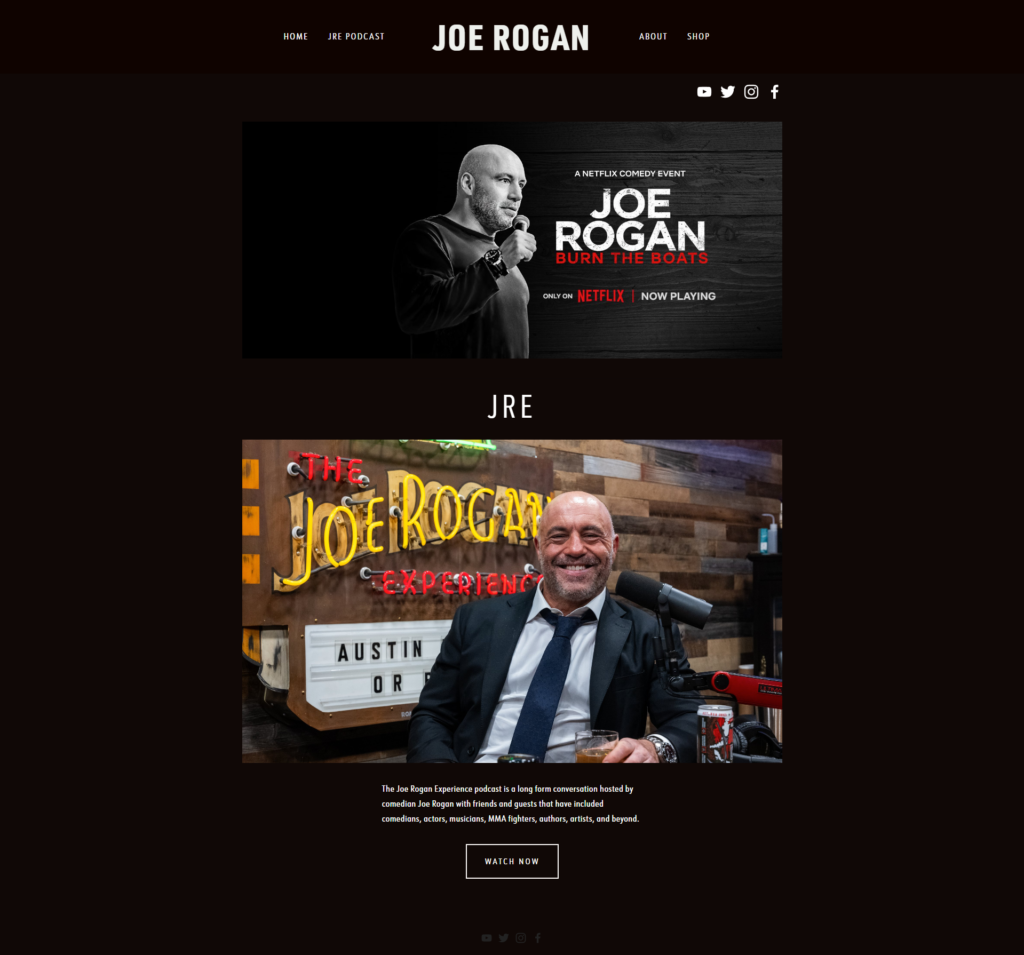
Joe Rogan’s website is another prime example of a successful podcast website. Known for its long-form interviews with celebrities and experts in various fields, the website excels with:
- Robust Search Functionality: Visitors can easily search for past episodes, view show descriptions, and even watch the video versions of episodes.
- Cross-Promotion with Merchandise: The website prominently features Joe Rogan’s merchandise and tours, making it a successful business model that goes beyond just podcasting.
Conclusion: Crafting the Best Podcast Website for Your Show
To build the best podcast websites design, focus on creating engaging content, optimizing user experience, and ensuring your site’s design enhances discoverability and accessibility. By following the content strategies, UI/UX design principles, and learning from successful podcast websites, you can create a site that will help grow your audience and keep them coming back for more.