In the world of software development, ensuring a structured, organized, and efficient process is crucial to delivering high-quality products on time. This is where the Software Development Life Cycle (SDLC) comes in. It provides a clear framework for planning, designing, developing, testing, and maintaining software applications.
In this blog post, we’ll walk you through the software development life cycle—from ideation to post-launch maintenance. By understanding each stage, you can build software that meets your business needs and user expectations.
What is the Software Development Life Cycle (SDLC)?
The software development life cycle (SDLC) is a structured approach that outlines the stages involved in creating software applications. It covers everything from conceptualizing the software to deploying and maintaining it. By following this cycle, developers ensure that projects are completed on time, within budget, and with minimal risk.
Actionable Tip:
- Use SDLC to break down large projects into manageable phases, ensuring efficiency and consistency.
Key Phases of the Software Development Life Cycle
The software development life cycle consists of several distinct phases. Each phase is crucial for the successful completion of the project. These phases include planning, design, development, testing, deployment, and maintenance.
1. Planning and Requirements Gathering
The first phase is planning and gathering requirements. During this phase, the project’s goals, scope, and user needs are defined. Stakeholders work closely with the development team to understand functional and non-functional requirements, ensuring that the final product meets the business’s objectives.
Actionable Tip:
- Engage all stakeholders early in the process to gather comprehensive requirements and expectations.
Real-Life Example:
Companies like Spotify succeeded in this phase by identifying market gaps early on. Understanding user needs allowed them to create a product that scaled quickly. You can read more about Spotify’s strategy here.
2. Design Phase
Once the requirements are clearly defined, the design phase begins. In this stage, the architecture, user interface (UI), and user experience (UX) are created. The design focuses on functionality, usability, and performance.
Actionable Tip:
- Develop wireframes and mockups to visualize the design and gather feedback before proceeding to development.
Real-Life Example:
Apple’s focus on intuitive UI/UX design in the iPhone sets the standard for mobile apps. Their design approach emphasizes simplicity, usability, and aesthetics. Apple’s design process continues to be a model for the industry.
3. Development Phase
During the development phase, the software is built. Developers begin writing code, implementing the design, and integrating functionality. The team works on both the backend (server-side) and frontend (client-side) of the application.
Actionable Tip:
- Use agile methodology to break development into smaller iterations or sprints. This approach allows teams to make continuous improvements throughout the project.
Real-Life Example:
Facebook started with simple functionality but evolved quickly through agile development. With constant updates and new features, Facebook grew into the global platform it is today.
GET IN TOUCH WITH OUR TEAM
Schedule a Meeting
4. Testing Phase
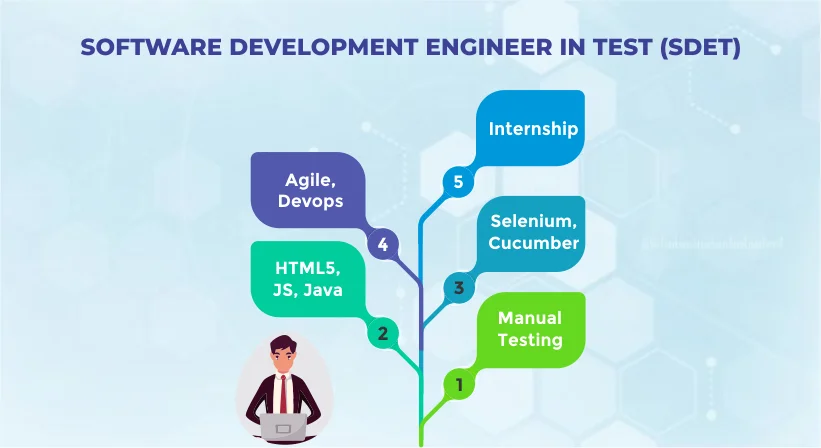
Once the development is complete, the software enters the testing phase. Testing ensures that the application functions as expected, is bug-free, and meets the requirements. Both manual and automated testing are used to identify potential issues and ensure quality.
Actionable Tip:
- Perform regression testing to verify that new features do not affect the performance of existing features.
Real-Life Example:
Google’s Search is constantly tested to improve search algorithms and deliver more relevant results. Their team uses advanced testing methods, including A/B testing, to optimize user experience.
5. Deployment Phase
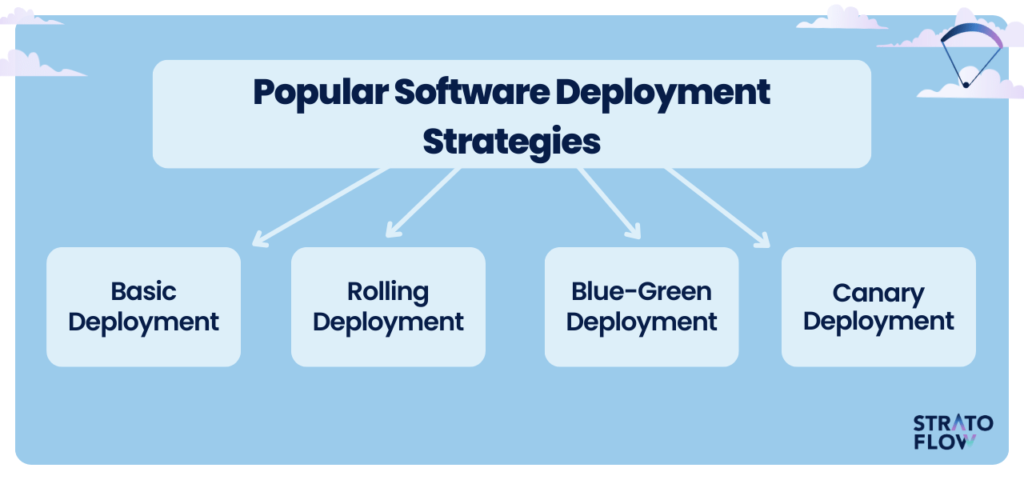
After testing, the software is ready for launch. The deployment phase involves moving the app from a local environment to production, making it available to users.
Actionable Tip:
- Automate deployment processes using tools like Jenkins or GitLab CI/CD to streamline and reduce errors during the launch.
Real-Life Example:
Netflix utilizes continuous deployment practices to keep their platform updated with new features, bug fixes, and enhancements. By rolling out updates regularly, they can provide a seamless experience for users.
6. Maintenance and Support
Even after deployment, maintenance is crucial. Post-launch maintenance includes fixing bugs, updating features, and improving the application’s performance. This phase ensures that the software remains functional and up-to-date with evolving user needs and technological advancements.
Actionable Tip:
- Set up a feedback loop with users to identify areas for improvement. This feedback is essential for enhancing the app over time.
Real-Life Example:
Microsoft continually updates Windows, addressing security vulnerabilities and adding new features. Their ongoing commitment to maintenance ensures that Windows remains one of the most widely used operating systems globally.
GET IN TOUCH WITH OUR TEAM
Schedule a Meeting
Best Practices for a Successful Software Development Life Cycle
To ensure the success of your software development project, follow these best practices:
- Clear Documentation: Keep comprehensive documentation throughout the process for transparency and clarity.
- Stakeholder Involvement: Engage with all stakeholders regularly to ensure alignment and manage expectations.
- Iterative Process: Embrace agile methodologies to deliver incremental improvements and maintain flexibility.
- Post-Launch Support: Plan for long-term maintenance and updates to keep the software functional and relevant.
Conclusion: Navigating the Software Development Life Cycle for Success
The software development life cycle (SDLC) is an essential framework for building quality software. By following the structured phases outlined above, businesses can ensure that their software development projects are successful, on time, and within budget.
At ClientSync LLC, we specialize in guiding businesses through the software development life cycle. Our team ensures that each phase is executed with precision, delivering high-quality software solutions that meet user needs and business goals.
Ready to bring your app idea to life? ClientSync LLC is here to help! Contact us today to learn more about how we can assist with your software development life cycle.